Why I Don’t Focus on Teaching Flamenco Choreography
I'm probably not your ordinary flamenco teacher.
Because I don't actually focus on teaching choreography.
Now, before anyone starts clutching their bata de cola in horror, let me explain. 😂
I'm not against choreography.
Choreography is useful. It develops technique, coordination, musicality and gives us beautiful material to dance.
But choreography isn't the whole of flamenco.
And if you've spent years learning dances but still find yourself wondering what on earth is happening when the singer does something you weren't expecting, you probably already know what I mean.
What happens when nobody tells you what comes next?
When we learn choreography, we usually know what's coming.
This step follows that step.
The footwork starts here.
The llamada happens there.
We practise it with the music until our bodies remember the sequence.
Brilliant.
Until something changes.
→ Perhaps the singer stretches something.
→ Perhaps the letra doesn't sound quite like the version you practised.
→ Perhaps you're dancing with different musicians.
→ Or perhaps you find yourself at fin de fiesta without anybody standing at the front of the room telling you what comes next.
And suddenly... 👀
Your eyes wander towards the dancer beside you like she's the only person on the ship who remembered to bring a lifejacket.
You know what we're supposed to do now, right?
This is where understanding flamenco becomes very different from simply remembering choreography.
Flamenco gives you clues
Flamenco isn't a random collection of steps that dancers somehow magically know when to perform.
There is structure.
There is compás.
There is cante.
There are recognisable patterns and signals.
And there is a conversation happening between the dancer, singer and guitarist.
Once you begin understanding those things, your relationship with flamenco changes.
Instead of thinking, "What step comes next?"
you can begin asking, "What is happening right now?"
That distinction matters.
Because one relies primarily on remembering something somebody showed you.
The other relies on recognising what you're hearing and seeing.
This is what I want my dancers to learn
My goal isn't to give you an endless collection of choreographies to remember.
I want to help you understand the thing you're dancing.
I want you to understand the compás rather than desperately trying to stay attached to the counts.
I want you to begin recognising the structure of a baile.
I want you to understand what the singer is doing and why that matters to you as the dancer.
And ultimately, I want improvisation to stop looking like some mysterious superpower bestowed upon a chosen few at birth.
Because it isn't.
There are things you can learn to recognise.
And when you recognise them, you have far more information available to you than:
Rebecca's starting her footwork, so I'd better start mine too. 😂
From remembering to recognising
That, for me, is one of the biggest shifts you can make as a flamenco dancer.
You're no longer simply collecting more things to remember.
You're learning how the pieces fit together.
And every new thing you understand gives you another clue.
Another pattern you recognise.
Another moment where you think, "Ah. I know what's happening."
That's the kind of flamenco I teach inside my Online Dance Studio.
It's for dancers who have become so thoroughly obsessed with flamenco that simply learning another dance isn't quite enough anymore.
You want to know why.
→ Why did the dancer do that?
→ What did she hear?
→ What is the singer doing?
→ How did everybody know when to stop?
And – possibly the greatest flamenco mystery of all – how did everyone else apparently know what was happening except me?
If those are the questions rattling around in your head, I invite you to come and take a look inside my Online Dance Studio.
Because flamenco is hard enough without having to guess what's going on as well.
Belinda

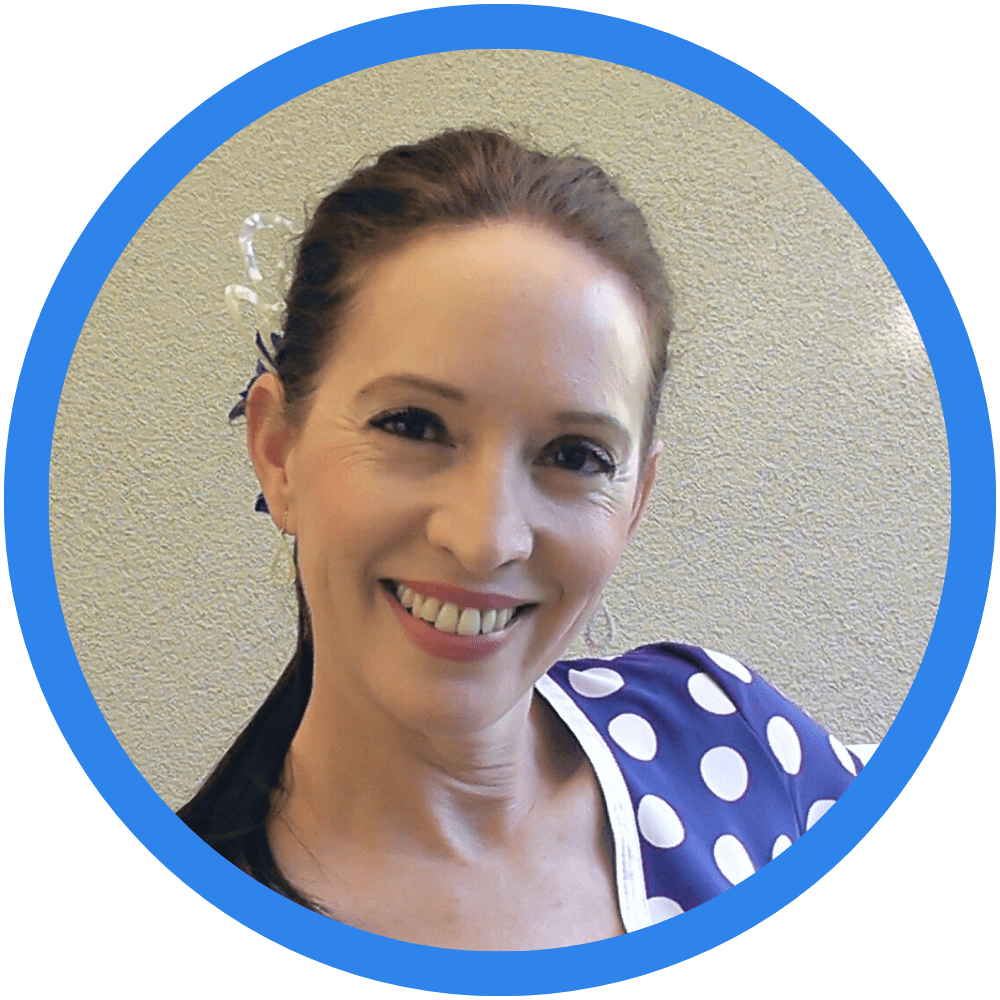
Hi, I'm Belinda
I help flamenco dancers understand how flamenco actually works.
Many dancers tell me after taking my lessons they suddenly think:
"Oh... now I understand what's happening."
That moment never gets old.
See here why my teaching is different.