You Can Count to 12… So Why Do You Keep Losing the Compás?
There is a particularly irritating flamenco experience that goes something like this.
Someone explains that you're working with a 12-count compás.
Fair enough. You can count to 12. No problemo.
You practise with a metronome. You know where the accents are. You might be able to clap along quite happily.
Everything appears to be under control. Then someone puts on actual flamenco music. And the 12 promptly goes into hiding.
Suddenly you're thinking, "Where are we?!"
If this happens to you, there's an important distinction I want you to understand –
Counting to 12 and hearing where you are in a 12-count compás are two different skills.
And once you realise that, it becomes much clearer what you actually need to practise.
Counting gives you a framework
Learning to count the compás is useful. You need to understand how the rhythm is organised, where the accents fall and how the cycle works.
But there's a big difference between being able to follow that framework in controlled conditions and recognising where you are when you hear actual flamenco.
Because actual flamenco has rather more going on than your metronome app.
→ There's guitar.
→ There are palmas.
→ There's cante.
→ You might be dancing choreography at the same time.
→ Your feet are doing one thing while your arms have apparently received entirely different instructions.
And nobody is standing beside you reliably announcing, "TWELVE! ONE! TWO! THREE!" over the top of the music.
Although occasionally your teacher may give it a heroic attempt.
So if your only way of knowing where you are is to keep the numbers cycling on repeat in your head, it's very easy to lose your place.
Miss a number.
Get distracted by the choreography.
Listen to the singer for half a second.
And suddenly, "Where did the 12 go?"
Start listening for landmarks
This is where I find the idea of musical landmarks really useful.
Imagine driving a route you know well. When you first learn the route, you might need very explicit instructions.
Take the third exit.
Drive for two kilometres.
Turn left at the next intersection.
But once you know the route, you don't need to consciously track every single instruction. You recognise things.
There's the roundabout.
There's that funny tree.
There's the turn I need.
You know where you are because the landmarks have become familiar. Listening to flamenco can work in a similar way.
Instead of relying entirely on twelve numbers spinning on repeat in your brain, you begin recognising things in the music:
→ Accents.
→ Repeated patterns.
→ Where phrases land.
→ Sounds and relationships you've heard before.
They give your ears information about where you are. The signals were there all along. You're learning how to recognise them.
So should you stop counting?
No.
This isn't counting bad, listening good. Counting is an important part of understanding compás.
The problem comes when counting is the only tool you have for locating yourself. Because when the music gets more complicated – or your brain is busy trying to remember what your feet are supposed to be doing next – that tool has a lot of work to do.
We want to give your ears more information to work with. So if you can count perfectly well with a metronome but regularly lose the 12 when you dance to actual flamenco music, don't immediately conclude: "I'm terrible at compás."
You may simply have been practising one skill when the thing catching you out requires another.
You know how to count it. Now you need to practise how to hear it.
Hearing The 12
This is exactly why I created Hearing The 12.
We work on listening for the things that help you recognise where you are, and we practise moving away from clean, predictable counting exercises towards hearing the compás in the conditions where you actually need it.
Because the goal isn't to become extraordinarily talented at reciting twelve numbers on repeat while simultaneously operating your entire body.
It's to hear the music and increasingly recognise, "Ah. I know where I am."
Belinda

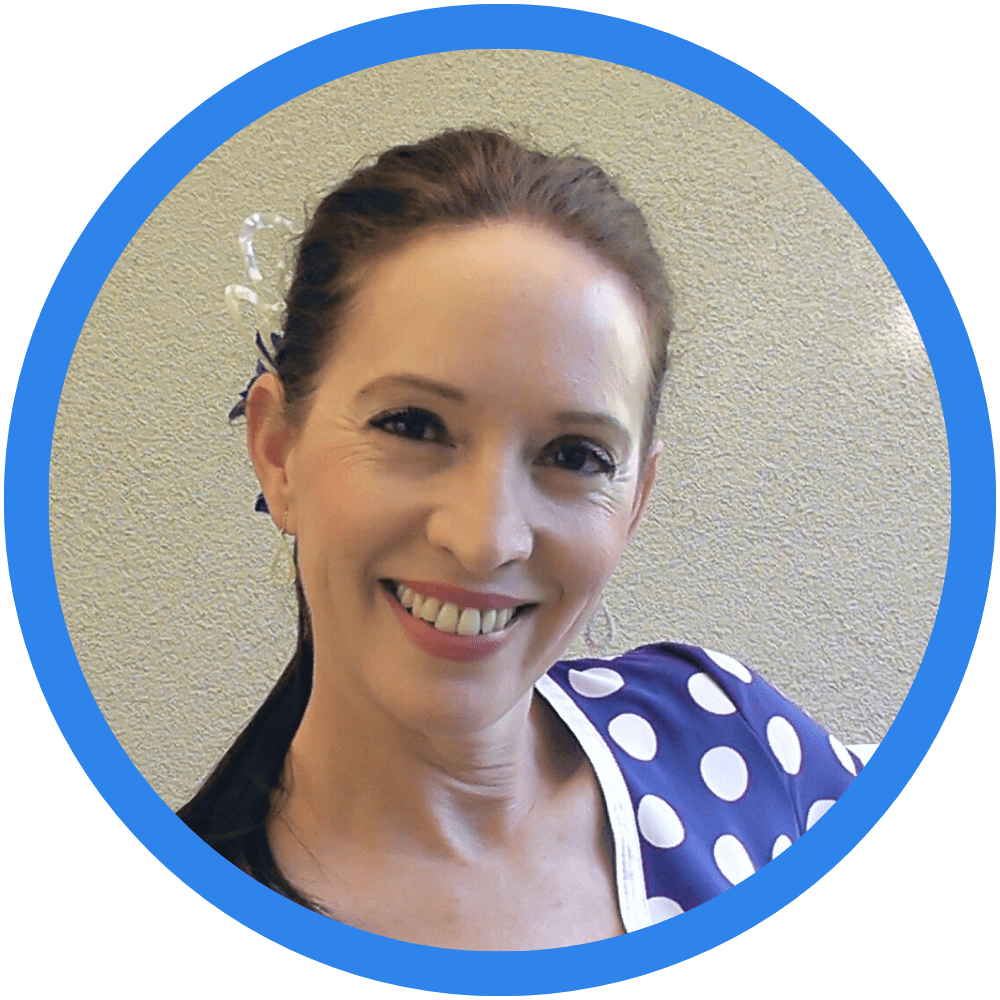
Hi, I'm Belinda
I help flamenco dancers understand how flamenco actually works.
Many dancers tell me after taking my lessons they suddenly think:
"Oh... now I understand what's happening."
That moment never gets old.
See here why my teaching is different.